
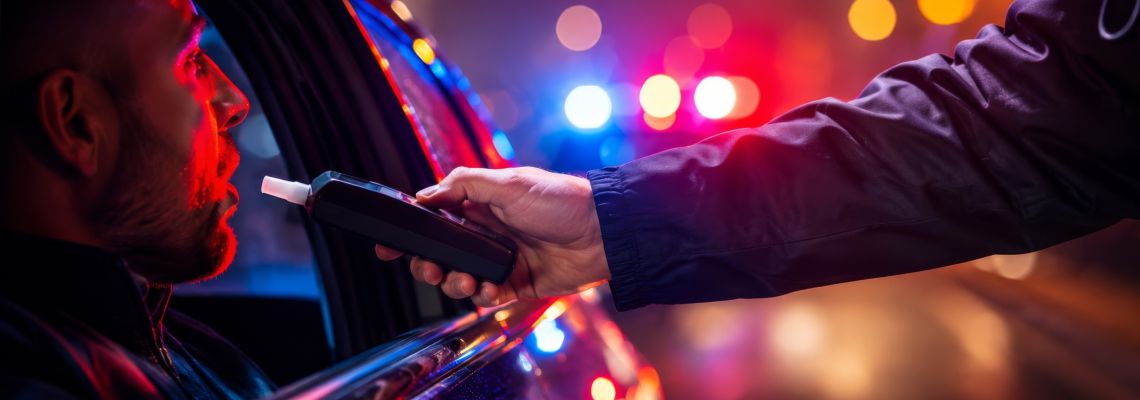
Challenging Chemical Test Results in OVI/DUI Defense
An OVI or DUI arrest can leave you with many questions about what happens next. When chemical test results become part of the evidence, it's easy to assume those results can't be challenged.
However, breath, blood, and urine tests aren't automatically beyond question. Depending on the circumstances, there could be valid reasons to examine whether testing procedures and results should be challenged.
Chemical Test Results Aren't Always Final
Chemical testing plays an important role in many OVI and DUI cases, but test results don't automatically determine the outcome of a criminal case. Prosecutors must still demonstrate that the evidence was collected, handled, and analyzed according to legal requirements.
Different types of chemical tests are subject to different procedures and requirements. Breath, blood, and urine testing each involve their own methods of collection, storage, and analysis. Looking closely at how a particular test was administered can reveal issues that deserve additional review.
Even when a test indicates the presence of alcohol or drugs, several factors affect its reliability. Equipment maintenance, testing procedures, and the circumstances surrounding the traffic stop all deserve careful review.
Courts often consider whether testing equipment was functioning properly and whether the individuals administering the test followed required procedures. Even a seemingly small mistake can become an important issue when the evidence is examined more closely.
An experienced Ohio DUI attorney can examine whether chemical testing complied with applicable laws and procedures. Working with a DUI lawyer early in your case gives you an opportunity to identify potential issues before important court proceedings begin.
Factors That Affect Chemical Test Results
Several circumstances influence the accuracy or admissibility of chemical test evidence. Reviewing these issues allows your defense to determine whether the prosecution's evidence should be questioned.
The circumstances surrounding a chemical test are often just as important as the test itself. Reviewing every step of the testing process allows your defense to determine whether questions exist about how the evidence was obtained or handled. Examples of issues that affect chemical testing include:
Breath testing equipment that wasn't maintained or calibrated properly.
Errors during blood or urine sample collection.
Breaks in the chain of custody for collected samples.
Medical conditions that influence certain breath test results.
Delays between the traffic stop and chemical testing.
Laboratory or recordkeeping mistakes.
While these issues don't automatically result in evidence being excluded, they can potentially influence how chemical test results are viewed during your case. Every situation should be evaluated based on its own facts rather than assumptions about the evidence.
Reviewing these details carefully can uncover questions that deserve additional attention. People facing OVI or DUI charges should work with a criminal defense lawyer to determine whether testing procedures complied with Ohio law.
Reviewing the Entire Traffic Stop
Chemical testing is only one part of an OVI or DUI investigation. Before test results are even considered, it's important to review how the traffic stop began and whether law enforcement followed appropriate procedures.
In some cases, the events leading up to an arrest provide valuable context for the rest of the prosecution's case. Taking a closer look at each stage of the investigation could reveal procedural concerns or factual disputes that should get additional attention.
Questions can arise about why the vehicle was stopped, how field sobriety testing was conducted, or whether constitutional rights were respected throughout the investigation. If problems occurred before chemical testing took place, those issues affect other evidence presented during the case.
Your defense lawyer will also review body camera footage, police reports, witness statements, and other available evidence to determine whether inconsistencies exist. Looking at the full picture often provides a better understanding of the strengths and weaknesses of the prosecution's case.
Steps You Can Take After an OVI or DUI Arrest
The period immediately following an arrest is an important time to begin evaluating your legal options. Acting thoughtfully helps you avoid mistakes that could affect your defense later in the process. Helpful steps after an OVI or DUI arrest include:
Write down everything you remember about the traffic stop as soon as possible.
Save paperwork you receive from law enforcement or the court.
Avoid discussing your case with others or on social media.
Follow all court dates and bond conditions.
Speak with a DUI lawyer before making important legal decisions.
Each case presents different facts, so these recommendations won’t apply in every situation. Taking prompt action gives you more time to prepare your defense.
Speaking with an attorney early in the process allows you to review the evidence, discuss possible defenses, and better understand what to expect as your case progresses.
Reach Out to a DUI Lawyer Today
Chemical test results don't always tell the entire story, and every OVI or DUI case deserves a careful review of the facts. At the Law Offices of Ravert J. Clark, I represent clients from my office in Cincinnati, Ohio, and throughout the state of Ohio. Reach out to me today to discuss your case and learn how I can help.