
How Intent to Distribute Is Proven in Drug Crime Cases
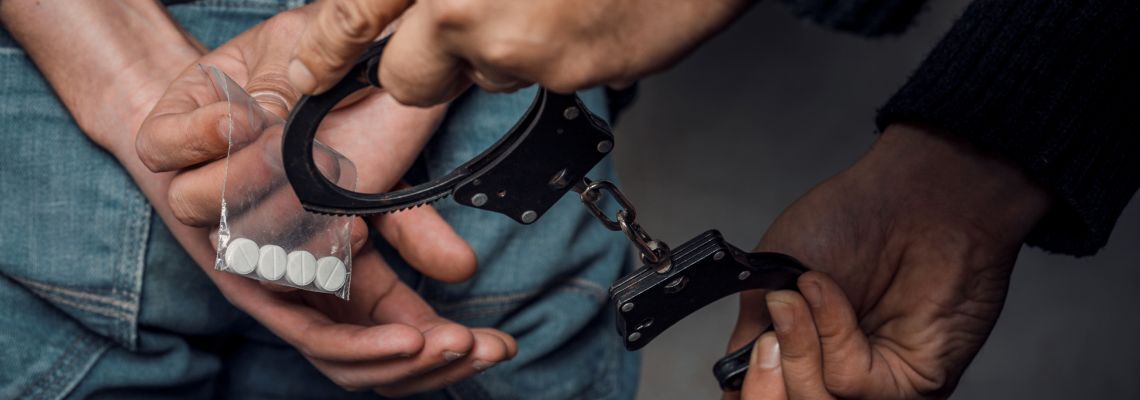
A drug investigation sometimes begins with possession but develops into an allegation that the substance was meant for sale or distribution. Prosecutors rarely have direct access to a person’s private intentions, so they often build the accusation from the amount and form of the drugs, nearby objects, communications, money, and observed conduct.
Each item requires context before it supports a reliable conclusion. The precise elements depend on the charged statute, and Ohio law addresses selling, offering to sell, preparing for shipment, delivering, and distributing controlled substances. Evidence that appears suspicious doesn’t automatically prove every required element beyond a reasonable doubt.
I serve clients throughout Ohio as a criminal defense lawyer at the Law Offices of Ravert J. (Jay) Clark in Cincinnati, Ohio. I examine whether the evidence supports distribution or only possession. Contact me to discuss how quantity, packaging, money, communications, possession, and search procedures affect the charge.
Intent Is Shown Through Circumstances
Intent is commonly inferred from several facts considered together, but an inference still needs a sound connection to the accused and the alleged conduct. A criminal defense lawyer evaluates whether those facts point to distribution or have another reasonable explanation. Common categories of circumstantial evidence include:
Quantity and form: The amount, number of doses, and way a substance is divided affect whether prosecutors characterize it as inventory rather than material kept for personal use.
Packaging and equipment: Small bags, containers, scales, sealers, or cutting materials sometimes support an allegation that drugs were being measured and prepared for transfer.
Money and financial records: Cash, ledgers, payment applications, or unexplained transfers receive scrutiny when investigators try to connect funds with alleged transactions.
Communications and observations: Messages, calls, surveillance, witness accounts, or recorded exchanges provide context for the possession and intended destination of the drugs.
No category establishes intent by itself in every case. A criminal defense lawyer tests whether the items were functional, where they were found, who controlled them, and whether the prosecution’s interpretation fits the complete record. Because quantity often shapes the initial theory, the analysis next turns to what the measured amount actually proves.
Drug Quantity and Possession Need Context
Quantity is relevant, but its significance depends on the substance, charge, form, and accompanying evidence. A larger amount sometimes supports an inference of planned distribution, while a smaller amount might accompany evidence of an offer or completed transfer.
Weight also affects certain charges, making laboratory methods, packaging weight, and the material submitted for testing important parts of the record. Personal-use evidence provides another point of comparison but does not resolve intent by itself. A criminal defense lawyer reviews dosage form, applicable prescription records, and explanations for the substance’s presence.
Disputes over weighing, testing, or mixture composition also matter because the prosecution’s quantity figure must correspond to the material recovered and analyzed. Distribution evidence has limited value unless the prosecution connects it to the accused.
Actual possession involves direct physical control, while constructive possession generally requires evidence of conscious dominion or control. In shared homes, vehicles, hotel rooms, or storage areas, a criminal defense lawyer examines access, keys, passwords, nearby belongings, statements, forensic evidence, and account activity.
Message Meaning Depends on the Full Exchange
Texts, social media messages, recorded calls, and payment notes can become central to an intent allegation. Prosecutors might describe an exchange as evidence of negotiation, pricing, quantity, or delivery. The defense must assess what the exchange actually shows. Review of digital evidence focuses on the following issues:
Identity and authorship: Device access, account credentials, message patterns, and testimony bear on whether the accused created or received the communication.
Conversation completeness: Earlier messages, attachments, reactions, timestamps, and deleted responses sometimes change how an isolated statement reads.
Language and meaning: Slang, jokes, references, and ambiguous terms don’t prove a drug transaction without evidence supporting the proposed interpretation.
Related conduct: Location records, surveillance, witness accounts, and financial activity either strengthen or weaken the claimed link between words and an alleged transfer.
Even an authenticated message doesn’t resolve its meaning or prove that an anticipated exchange occurred. Investigators and prosecutors still need to connect the communication to the substance, the accused, and the conduct charged. Digital context therefore becomes part of a broader review that also addresses how authorities obtained and preserved the evidence.
Search and Forensic Issues Affect the Proof
Drug evidence often comes from a traffic stop, consent search, warrant, device extraction, or records request. A criminal defense lawyer reviews the legal authority for the search, the permitted scope, and the steps used to identify and preserve each item.
When evidence moved among officers, laboratories, or forensic examiners, reports and custody records help show whether the material tested is the same material allegedly recovered. Prompt preservation protects both physical and digital information.
Deleting messages, resetting a phone, altering records, or contacting a witness can destroy useful evidence or create additional legal concerns. Careful review instead compares photographs, body-camera footage, extraction reports, laboratory results, and witness accounts to identify gaps or contradictions in the prosecution’s account.
Consult an Experienced Criminal Defense Lawyer
Intent-to-distribute allegations depend on the relationship among possession, quantity, surrounding objects, communications, and police procedures. Early review helps preserve evidence and test whether those circumstances prove more than suspicion.
I represent clients throughout Ohio as a criminal defense lawyer at the Law Offices of Ravert J. (Jay) Clark in Cincinnati, Ohio, when drug evidence is used to allege distribution. Contact my office to discuss the charge and your options.